
Parental Guidance
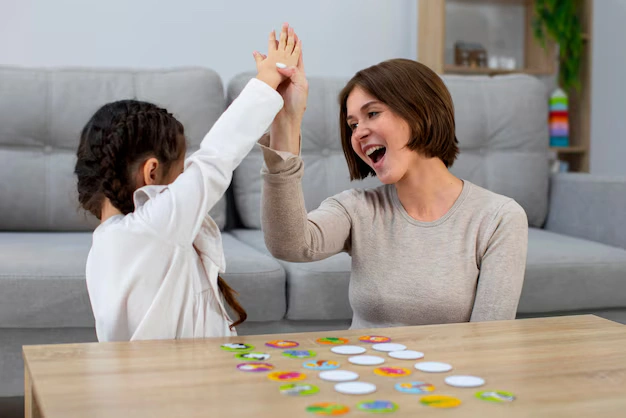
Importance of Parental Guidance
Autism looks different for every child. It can affect how each child communicates, interacts with others, and behaves in daily life, and these effects are unique to each individual.
Our Treatments
Before beginning any form of intervention, there are a few important things every parent should keep in mind:
- Every child develops at their own pace.
- Progress is gradual, not immediate.
- Consistency matters more than intensity.
- Emotional support is as important as therapy.
Understanding this early on helps parents set realistic expectations and stay committed to supporting their child.
Parental Guidance for Effective Autism Treatment: Why Parent Involvement Is the Key Factor
Parental guidance is key to a child’s progress in autism treatment. Therapy alone is not enough if parents do not continue the same practices at home.
When parents actively take part in the process, they can:
- Reinforce therapy techniques daily.
- Create a consistent learning environment.
- Improve communication through repetition.
- Support behavioural improvements.
Regular reinforcement helps children adapt more quickly and retain the skills they have learned.
Daily Home Routines That Improve Autism Behaviour and Learning
Children with autism usually feel safer and more comfortable when their day follows a set routine. For them, predictability is essential.
Some of the most effective routine strategies include:
- Fixed wake-up and sleep schedules
- Planned learning and play activities
- Visual schedules for better understanding
- Consistent meal and activity timings
Sticking to these routines can lower anxiety and help children focus, making it easier for them to take part in learning activities during the day.
Autism Treatment Approaches That Work Best With Parent Support
Autism treatment is most effective when therapy practices are continued at home. When home and therapy are consistent, children make better long-term progress.
Some of the most commonly used therapy methods include:
- Behavioural therapy for structured learning
- Speech therapy for communication development
- Occupational therapy for sensory and motor skills
When parents learn about each type of therapy, they can use similar methods at home, which leads to better results.
How to Improve Communication Skills in Children with Autism at Home
Communication can be one of the hardest areas for children with autism, but with patience and steady effort, real progress is possible.
There are several practical ways parents can help at home:
- Using simple and clear language
- Encouraging eye contact during interaction
- Using visual aids like pictures or gestures
- Repeating words and phrases regularly
Over time, these simple techniques can help children better understand their surroundings and express their thoughts and feelings.
Managing Behavioural Challenges Without Stress or Conflict
Remember that behavioural challenges in children with autism often come from unmet needs or trouble expressing their feelings.
A few strategies that tend to work well include:
- Staying calm during outbursts
- Identifying triggers
- Redirecting attention
- Rewarding positive behaviour
Using these strategies regularly can help reduce behavioural issues over time.
Best Autism Clinic in India: Why Professional Guidance Supports Parenting Efforts
Choosing the best autism clinic in India can make a big difference for both children and parents, ensuring families receive the right guidance and therapy support.
Centres like Dr. A.M. Reddy Autism Centre offer families:
- Structured therapy programs
- Parent training sessions
- Continuous progress monitoring
- Personalised intervention plans
Professional support and parental involvement work together to create better outcomes for children.
Autism Clinic in Hyderabad: Accessible Care for Consistent Therapy
For families who want support nearby, choosing an autism clinic in Hyderabad allows them to attend regular therapy sessions without the stress of travelling far.
A local clinic can make a significant difference by:
- Maintaining consistency in treatment
- Allowing frequent follow-ups
- Encouraging parent participation
Having easy access to care is important for maintaining steady progress over time.
Emotional Support for Parents: Handling Stress and Expectations
Parenting a child with autism can sometimes be emotionally tiring, and that is normal. Taking care of your own expectations and emotional well-being is just as important as any therapy or routine.
To stay grounded and healthy, parents should try to:
- Focus on small improvements.
- Avoid comparing their child with others.
- Seek support from professionals and communities.
- Take care of their own mental well-being.
When parents stay calm and positive, it helps create a more supportive and caring environment for their child.
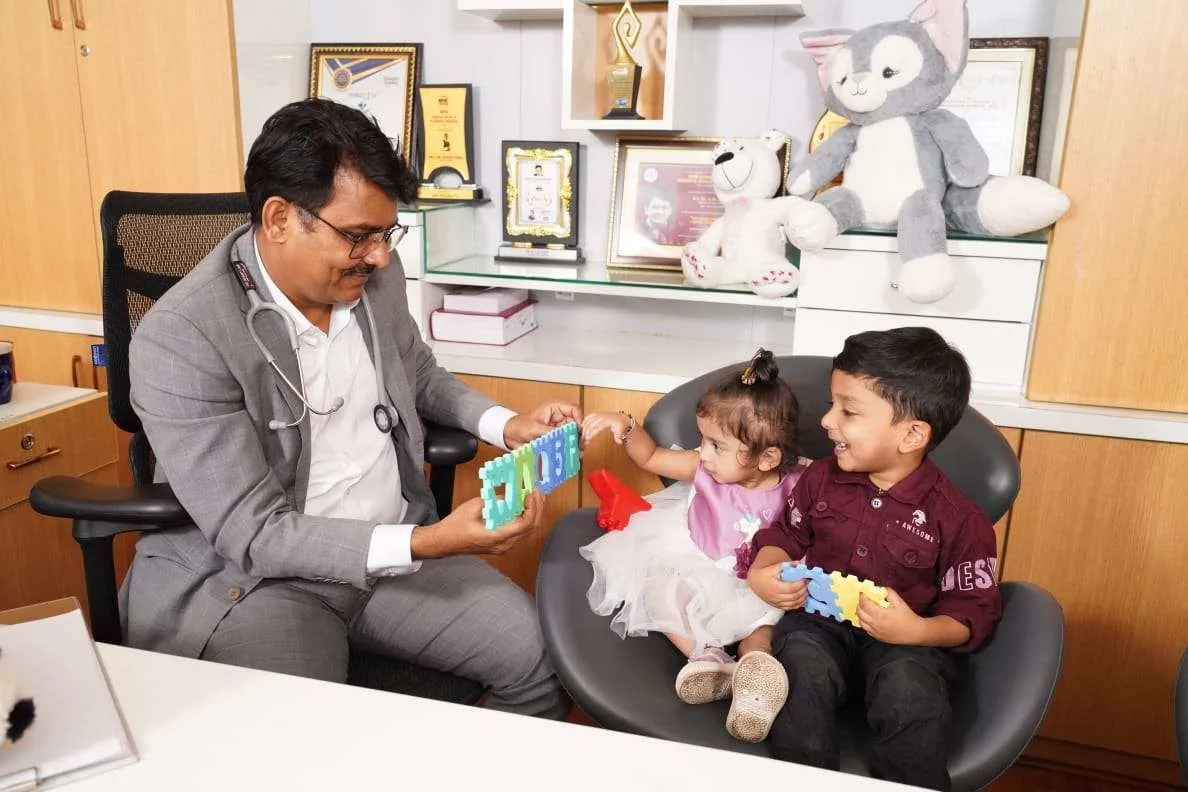
Common Mistakes Parents Should Avoid in Autism Care
Knowing about common mistakes and trying to avoid them can make care much more effective.
Some of the most common mistakes parents make include:
- Expecting immediate results
- Inconsistency in routines
- Overloading the child with activities
- Ignoring emotional needs
By being aware of these pitfalls, parents can make better and more thoughtful choices for their child’s care.
Why Parents Should Act Early
In autism care, timing is more important than many people think. Early intervention, combined with active parental involvement, can significantly impact a child’s development.
Starting support at an early stage helps in:
- Building communication skills
- Improving learning ability
- Reducing behavioural challenges
- Enhancing independence
Delaying support, even with the best intentions, can slow a child’s progress. The sooner you start, the better the results usually are.
Why Dr. A.M. Reddy Autism Centre Is Trusted by Thousands of Parents
Over the years, Dr. A.M. Reddy Autism Centre has built a strong reputation for providing structured, results-focused care for children with autism and other developmental conditions.
What sets the centre apart is its integrated approach, which combines clinical expertise and therapy-based interventions under one roof. Instead of just treating surface symptoms, the team works to understand the root causes and support overall development.
Families continue to trust the centre because of:
- Visible and consistent improvements in children’s behaviour and communication
- Personalised attention for every child
- Long-term support and follow-up care
- Transparent guidance throughout the treatment journey
Comprehensive Autism Treatment Approach Followed at AMR Autism Clinic
At AMR Autism Clinic, no single method is used alone. The clinic uses a multi-dimensional approach to address all areas of a child’s development.
The treatment model includes:
- Homeopathy-based support for internal balance
- Speech therapy for communication improvement
- Occupational therapy for sensory and motor development
- Behavioural therapy for structured learning
Together, these therapies provide children with holistic care, supporting both their internal balance and overall development.
Early Intervention Programs at AMR Autism Centre for Faster Development
Early intervention is a top priority at the centre. The team believes that the sooner a child gets support, the bigger the impact on their development.
The centre’s early intervention programs aim to:
- Improve speech and communication skills.
- Enhance attention and learning ability.
- Develop social interaction.
- Reduce behavioural challenges.
Children who start early often adapt better and improve more quickly.
Turning Hope Into Measurable Progress
Autism care requires patience, consistency, and the right guidance. At Dr. A.M Reddy Autism Centre, the focus is on turning every small step into meaningful progress.
With structured therapy, personalised care, and continuous support, children can develop essential skills and move toward independence with confidence.
Frequently Asked Questions
What is parental guidance in autism?
Parental guidance in autism refers to the active role parents play in supporting their child’s therapy through consistent daily home practices.
Why is parent involvement important?
Because parents are present throughout the day, they are in the best position to reinforce what is learned in therapy, which directly leads to better outcomes.
Can parents help improve autism symptoms?
Yes. While autism does not disappear, consistent and informed support from parents can lead to meaningful improvements in behaviour, communication, and daily functioning.
What is the best routine for children with autism?
A structured and predictable daily routine works best. It gives children a sense of security and helps them navigate their day with less anxiety.
How can I improve my child’s communication?
Start with simple, clear language and support it with visual aids, such as pictures or gestures. Repetition and patience are key.
Is therapy enough without home support?
No. Therapy provides the foundation, but without consistent home support, the progress made in sessions is unlikely to carry over into everyday life.
How should I handle behaviour issues?
Try to stay calm, identify what triggered the behaviour, and use positive reinforcement to encourage better responses. Reacting with patience goes a long way.
Can autism improve over time?
Yes. With the right support, therapy, and a consistent home environment, many children with autism show remarkable progress over time.
Should parents seek professional help?
Absolutely. Professional guidance ensures the child receives structured, evidence-based care and provides parents with the tools and knowledge they need to support their child effectively.
Is early intervention important?
Yes, very much so. Early intervention gives children the best possible start and has a direct positive impact on their long-term development and independence.