
Sensory Processing Disorder

Sensory Processing Disorder (SPD) in Children
Sensory Processing Disorder is a brain condition that makes it hard to process and respond to sensory information like touch, sound, taste, movement, and sight. Children with sensory processing disorder may react too much or too little to everyday sensations, which can affect their behaviour, learning, and feelings.
Some kids feel overwhelmed by common sounds or textures, while others look for more movement and physical input. These are not behaviour problems but brain differences that can get better with consistent, structured support.
Without early intervention, sensory challenges can affect how a child performs at school, builds relationships, and develops confidence. Recognising the signs early and acting on them can make a meaningful difference to a child’s long-term development.
Our Treatments
Early Signs and Symptoms Parents Should Not Ignore
Spotting early signs can help parents act sooner. Sensory issues usually show up in babies or young children but are often confused with stubbornness, mood swings, or just challenging behaviour.
Common signs include:
- Sensitivity to loud noises or bright lights
- Avoidance of certain fabrics or food textures
- Difficulty concentrating or sitting still
- Frequent emotional outbursts
- Poor coordination and balance
If you notice these signs happening often and in different settings, it’s a good idea to consult a professional. Early evaluation can lead to targeted support and better results.
Causes and Risk Factors Behind Sensory Challenges
Researchers are still learning what causes Sensory Processing Disorder, but several factors have been identified over time.
Some known causes include how the brain handles sensory info, premature birth, family history of sensory or developmental problems, and certain early childhood environments. Sensory issues often occur alongside other developmental conditions, so getting an accurate diagnosis is very important.
A clearer understanding of the underlying causes allows therapists and families to build intervention strategies that genuinely address what is driving the child’s difficulties.
The Role of Structured Therapies in Sensory Processing Disorder Treatment
Good treatment for Sensory Processing Disorder helps the brain process sensory input more clearly and more manageably. Occupational therapy, especially sensory integration therapy, is one of the most common and effective approaches.
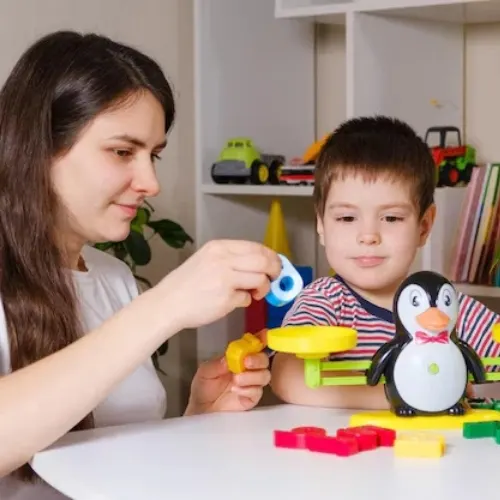
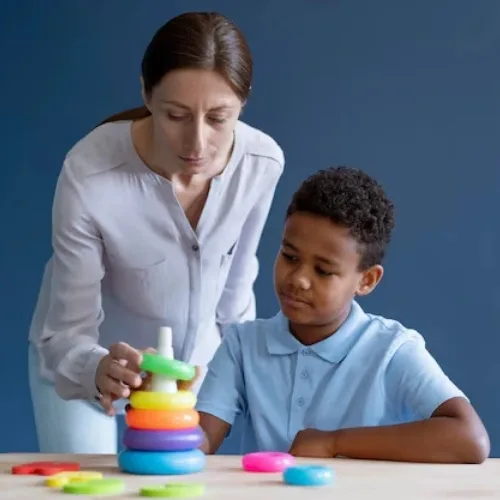
Therapy sessions slowly introduce kids to different sensory experiences in a safe, supportive space. Over time, children usually learn to manage their reactions better and handle sensory input that used to feel overwhelming.
Key benefits include:
- Better sensory regulation
- Improved focus and attention
- Enhanced motor coordination
- Reduced anxiety and behavioural reactions
Regular therapy and steady routines at home help turn quick relief into lasting improvement.
How Sensory Challenges Impact Learning and Behaviour
Sensory processing difficulties directly affect how children learn and behave in daily life. Places like classrooms, playgrounds, and even home can become stressful for them.
A child may find it hard to follow instructions, sit through lessons, or play with other kids. Over time, this can lower their confidence and make them avoid activities they might enjoy.
When sensory issues are properly managed, the benefits go beyond behaviour. Children often improve in school readiness and become more open to socialising.
Connection Between Sensory Issues and autism treatment
Sensory challenges often occur in children receiving autism treatment, and the two are closely linked. Treating both together usually works better than treating them separately.
Children who get good support for sensory processing often improve in communication, behaviour, and emotional control.
An integrated therapy approach ensures:
- Better adaptability to environments
- Improved interaction with others
- Reduced sensory-triggered meltdowns
Together, these improvements support overall development better than treating either condition alone.
Accessing Expert Care Through autism treatment in Hyderabad
Families seeking professional help can find sensory processing disorder treatment Hyderabad at many specialised centres that offer multidisciplinary care all in one place.
- Detailed developmental assessments.
- Personalised therapy plans.
- Regular progress monitoring.
- Parent training programs.
Having the right experts means treatments are well planned, progress is monitored, and families always understand how their child is doing.
Myths and Misconceptions About Sensory Processing Disorder
Many misconceptions about Sensory Processing Disorder often delay the right help. Some think children will just outgrow sensory issues or that their behaviours are just attention-seeking. But sensory challenges arise in the brain and require structured support. Another myth is that therapy works instantly. Real progress takes time, patience, and consistency. It’s important to help parents and caregivers understand this to improve care and outcomes.
How Sensory Processing Disorder Affects Social Development
Children with Sensory Processing Disorder often find social situations challenging because they have trouble processing sensory information. Busy places like classrooms, birthday parties, or playgrounds can feel overwhelming. This might make them withdraw, avoid others, or have emotional outbursts, which some people wrongly see as bad behaviour. These experiences can affect their confidence and friendships over time. But with the right support and gentle practice, kids can improve their social skills and make friends.
The Role of Sensory Diets in Daily Management
A sensory diet is a personalised set of activities that provides a child with the sensory input they need during the day. It’s not about food but includes exercises like jumping, swinging, deep pressure, or playing with different textures. These activities help children stay calm and focused. When done regularly, a sensory diet can improve attention, reduce meltdowns, and support emotional balance. Occupational therapists usually design these plans to match each child’s unique needs.
Technology and Tools That Support Sensory Development
Today’s technology makes it easier to support kids with sensory challenges. Tools such as noise-cancelling headphones, sensory apps, and weighted products can help manage sensory input more effectively. These devices can improve focus, reduce anxiety, and support learning. However, it’s important to use them carefully and with professional guidance. Technology doesn’t replace therapy but works alongside it to help children every day.
Importance of Routine in Managing Sensory Challenges
Having a routine is very important for children with sensory processing challenges. Knowing what to expect helps them feel safe and in control. Predictable schedules reduce anxiety and make it easier to move between activities. A good routine includes time for therapy, play, rest, and learning. When daily activities stay consistent, the brain can better handle sensory input. Over time, this helps improve behaviour and emotional balance.
Supporting Development Through natural autism treatment
Many families combine supportive methods with clinical therapies. Natural autism treatment focuses on overall well-being by emphasising lifestyle habits and environmental changes that reduce sensory stress and support healthy growth.
These include:
- Sensory-friendly home environments.
- Structured daily routines.
- Physical activities like yoga.
- Balanced nutrition.
Benefits of this approach:
- Reduced sensory overload
- Improved emotional stability
- Better sleep patterns
This approach works best when combined with professional therapy.
How to Choose the Best Autism Clinic?
Choosing the right nearby autism clinic is one of the most important decisions a family can make when seeking effective, long-term care for their child. Parents looking for a child sensory disorder specialist Hyderabad should carefully evaluate each centre before making this important decision.
Consider the following before choosing a centre:
- Availability of multiple therapies under one roof
- Experienced and certified therapists
- Individualised treatment plans
- Transparent progress tracking
A good clinic focuses on the child’s long-term progress rather than quick fixes that don’t last.
Daily Home Strategies to Manage Sensory Challenges
Parents play a big role in how well a child manages sensory challenges day to day. When home routines match therapy, progress tends to happen faster and last longer.
Effective strategies include:
- Creating a calm and predictable environment.
- Using sensory tools like weighted blankets.
- Encouraging physical play.
- Gradually introducing new sensory experiences.
Small, steady efforts at home add up and can lead to real, life-changing improvements for both the child and family over time.
Best Therapies for Sensory Processing Disorder
Parents want to know which therapies offer their child the best chance of improvement. No single therapy fits every child, but the right mix based on their needs usually leads to better results.
Most recommended therapies:
- Occupational therapy for sensory integration.
- Speech therapy for communication.
- Behavioural therapy for emotional regulation.
- Play therapy for social development.
The best therapy mix depends on each child, taking into account their development, sensory profile, and how they respond to different treatments.
What Happens If Sensory Processing Disorder Is Untreated
If sensory issues in children treatment is delayed or ignored, challenges can lead to long-term problems in many areas of life.
Potential risks include:
- Academic struggles
- Social isolation
- Increased anxiety and behavioural issues
- Low self-confidence
Early intervention greatly lowers the risk of these problems and helps children develop more smoothly.
Therapy Comparison for Sensory Processing Disorder Treatment
| Occupational Therapy | Sensory integration | Improves sensory response and coordination | Core treatment for SPD |
|---|---|---|---|
|
Behavioural Therapy |
Emotional control |
Reduces meltdowns and improves behaviour |
Children with behavioural challenges |
|
Speech Therapy |
Communication |
Enhances language and interaction |
Children with speech delays |
|
Play Therapy |
Social skills |
Improves interaction and engagement |
Younger children |
Daily Routine Plan Supporting natural autism treatment
| Morning | Physical exercise or yoga | Activate the sensory system | Better focus and calmness |
|---|---|---|---|
|
Afternoon |
Structured learning or therapy |
Skill development |
Improved cognitive ability |
|
Evening |
Outdoor play or sensory activity |
Relaxation and stimulation |
Reduced stress |
|
Night |
Fixed sleep routine |
Emotional regulation |
Better sleep patterns |
When Should You Seek Professional Help
If sensory challenges keep happening and interfere with daily life, don’t wait to get professional help. The sooner a child gets a proper assessment and support, the better their chances for smooth development.
Sensory challenges rarely get better on their own. Early professional support can really help a child’s development.
If you notice signs of sensory difficulties in your child, don’t wait to get help. Early, focused support can truly change their future.
Talk to a specialist, begin structured therapy, and stay consistent. Every week of early support counts, and the sooner you start, the better the results.
Frequently Asked Questions
What is natural autism treatment
It refers to lifestyle and dietary approaches, such as nutrition, physical activity, and environmental adjustments, that are used alongside clinical therapy to support overall outcomes.
Is autism treatment helpful for sensory issues
Yes. Autism treatment often incorporates sensory-focused strategies, particularly when sensory processing difficulties are a significant part of the child’s profile.
What is the best age to start treatment
The earlier the better. Starting treatment as soon as symptoms are identified gives children the greatest opportunity for progress.
Can sensory processing disorder be cured
There is no single cure, but with consistent and well-targeted therapy, most children can manage their sensory challenges effectively and lead fulfilling lives.
How do I find the best autism clinic near me
Look for centres that employ certified, experienced therapists, offer personalised treatment plans, and provide transparent progress tracking. Word-of-mouth recommendations and online reviews can also be a useful starting point.
What therapies are most effective
Occupational therapy and sensory integration therapy are considered the most effective, though speech therapy and behavioural therapy are also commonly recommended depending on the child’s needs.
Does diet play a role in improvement
Yes. A balanced diet can support brain function and reduce inflammation, both of which may positively influence sensory processing and overall behaviour.
How long does treatment take
Treatment timelines vary from child to child. Some children show noticeable improvements within a few months, while others benefit from longer-term support. A therapist can provide a clearer picture after an initial assessment.
Can children lead a normal life
Absolutely. With the right support, many children with sensory processing challenges grow up to lead independent, fulfilling lives. The key is early intervention and consistency.
Is professional help necessary
Yes. A professional assessment ensures that the child receives an accurate diagnosis and a structured treatment plan tailored to their specific needs, rather than a generic one-size-fits-all approach.